Corporate Social Responsibility in 2026: 4 Types Every UK Business Should Know

By Sunny Turner
Corporate Social Responsibility in 2025: 4 Types Every UK Business Should Know
Corporate Social Responsibility has transformed from a buzzword into something far more significant – it’s now a fundamental part of how successful businesses operate. Whether you’re running a small local enterprise or managing a large corporation, the way your organisation impacts people, communities, and the planet matters more than ever.
CSR doesn’t have to be complicated or overwhelming. It’s simply about running your business in a way that creates positive change alongside profit.
What is Corporate Social Responsibility? (And Why Should You Care?)
Corporate Social Responsibility (CSR) is when businesses voluntarily choose to consider their impact on society, the environment, and the economy – not just their bottom line. It’s about going beyond what’s legally required and asking: “How can we do business in a way that makes the world a little bit better?”
Traditional business focuses solely on profit. CSR-minded businesses ask, “How can we be profitable whilst also being a force for good?”
This might mean reducing your environmental footprint, treating employees exceptionally well, supporting local charities, or ensuring your supply chain operates ethically. The beauty of CSR is that it’s flexible – you can tailor your approach to align with your company values and the needs of your community.
Why Corporate Social Responsibility Matters for Your Business
You might be wondering whether CSR is worth the investment of time and resources. The answer is a definite yes, and here’s why:
Your Customers Care
Today’s consumers increasingly make purchasing decisions based on company values. People want to support businesses that share their concerns about social and environmental issues. A strong CSR commitment can be the deciding factor that wins customer loyalty.
Your Team Wants to Work Somewhere Meaningful
Talented employees, especially younger generations entering the workforce, actively seek employers whose values align with their own. A genuine CSR programme can help you attract brilliant people, keep them engaged, and reduce staff turnover, saving money and building a stronger team culture.
It’s Actually Good for Business
Research consistently shows that companies with robust CSR strategies often perform better financially over time. Sustainable practices can reduce operational costs, whilst a positive reputation drives customer loyalty and sales growth.
You’ll Sleep Better at Night
Beyond the business benefits, there’s something deeply satisfying about knowing your work creates positive ripples in the world. CSR allows you to build a business you’re genuinely proud of – one that reflects your values and contributes to solving real problems.
You’re Building Long-Term Resilience
Proactive CSR helps you identify and address potential risks before they become crises. Whether it’s environmental concerns, labour issues, or community relations, thinking ahead protects your business whilst doing the right thing.
The 4 Types of Corporate Social Responsibility
CSR is built on four main pillars, each addressing different ways your business can create a positive impact. Let’s explore each one with practical examples you can actually use.
1. Environmental Responsibility: Protecting Our Planet
Environmental responsibility is about minimising your business’s negative impact on the natural world and actively contributing to environmental sustainability.
What this looks like in practice:
- Reducing your carbon footprint by switching to renewable energy, improving energy efficiency, or offsetting emissions
- Cutting waste through recycling programmes, composting, and embracing circular economy principles, where products are designed to be reused or recycled
- Choosing sustainable suppliers who share your environmental values
- Conserving water in your operations and encouraging efficient use
- Rethinking packaging by reducing plastic and choosing biodegradable or recyclable alternatives
- Supporting environmental projects like tree planting or habitat restoration
Real-world example: A Manchester-based café switches to compostable takeaway cups, sources ingredients from local suppliers to reduce transport emissions, and partners with a local environmental charity – planting one tree for every hundred cups of coffee sold.
Environmental CSR has never been more important. Climate change affects us all, and every business – no matter how small – can play a part in protecting our planet for future generations.
2. Ethical Responsibility: Doing Business With Integrity
Ethical responsibility means operating with honesty, fairness, and transparency in every aspect of your business. It’s about treating people right – whether they’re employees, customers, suppliers, or community members.
What this looks like in practice:
- Fair wages and benefits that allow your team to live comfortably, not just survive
- Safe, supportive working conditions that prioritise employee health and wellbeing
- Ethical supply chains where you ensure suppliers treat their workers fairly and operate responsibly
- Diversity, equity, and inclusion initiatives that create genuine opportunities for people from all backgrounds
- Transparent communication with customers about your products, pricing, and business practices
- Strong governance with clear ethical policies and accountability measures
- Supporting fair trade and ensuring producers receive fair compensation
Real-world example: A Yorkshire-based clothing retailer conducts regular audits of their suppliers to ensure fair wages and safe working conditions, publishes an annual transparency report showing exactly where their products come from, and implements a diversity hiring programme with measurable targets.
Ethical responsibility builds trust. When people know you operate with integrity, they’re far more likely to support your business, recommend you to others, and remain loyal customers or employees.
3. Philanthropic Responsibility: Giving Back to Communities
Philanthropic responsibility involves supporting communities through charitable donations, volunteering, and partnerships with organisations doing important work.
What this looks like in practice:
- Regular charitable donations to causes that align with your values
- Employee volunteer programmes offering paid time off for community service
- Matched giving schemes where you match employee donations to charities
- Sponsoring community events like local festivals, sports teams, or cultural activities
- Offering pro bono services to charities and community groups
- Educational partnerships supporting local schools or training programmes
- Emergency response providing support during local or national crises
Real-world example: A Leeds-based accounting firm allows employees two paid days annually for volunteering, matches all employee charitable donations up to £500 per person, and provides free financial advice sessions to local community centres, helping people manage their money.
Whilst philanthropy is often the most visible form of CSR, it works best when it’s part of a broader strategy rather than just writing occasional cheques. The most meaningful philanthropic initiatives involve genuine engagement with the causes and communities you’re supporting.
4. Economic and Social Responsibility: Creating Positive Impact Where It Counts
Economic and social responsibility focuses on how your business affects people’s quality of life – your employees, your customers, and your wider community. It’s about ensuring your business contributes positively to economic and social well-being.
What this looks like in practice:
- Employee wellbeing programmes supporting mental and physical health
- Investing in training and development helps your team build skills and advance their careers
- Creating quality jobs that offer security and growth opportunities
- Supporting local businesses by choosing local suppliers and partners
- Making your products or services accessible to diverse populations, including those with disabilities or lower incomes
- Financial education initiatives helping employees and communities manage money effectively
- Partnering with social enterprises that reinvest profits into community benefits
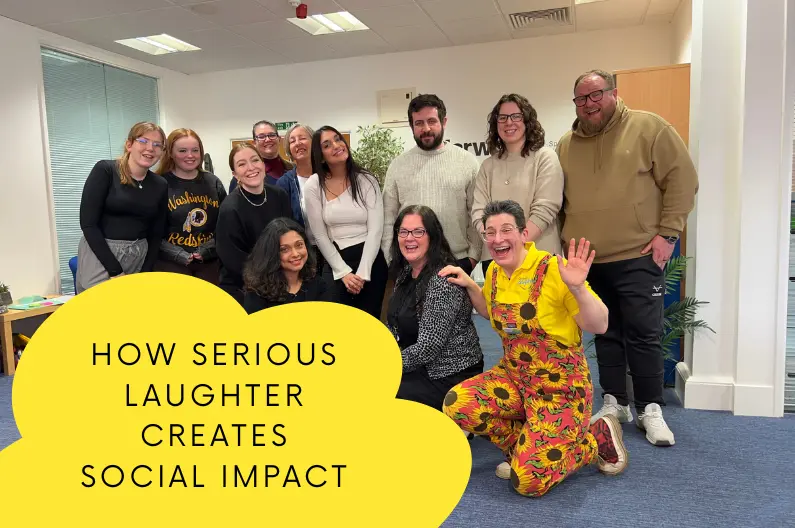
Real-world example: Our approach at Serious Laughter
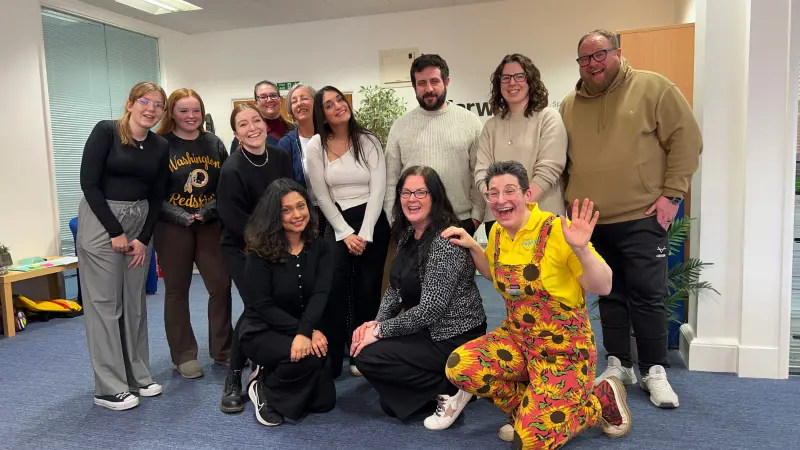
This is where our mission truly comes alive. Every time an organisation books a Laughter Yoga session with us – whether for staff wellbeing, conference ice-breakers, or team building – we provide two free spaces at our next community session and offer a discount on the next charity booking.
Why? Because mental wellbeing support shouldn’t only be accessible to those who can afford it. When businesses invest in their employees’ well-being through our workshops, that investment ripples outward, creating access for individuals in Manchester, Cheshire, North Wales, and across the UK who might otherwise never experience this kind of support.
It’s CSR that creates genuine social impact – your team benefits, and so do people who really need it.
How to Start Your CSR Journey (Even If You’re Starting Small)
Creating an effective CSR strategy doesn’t require a massive budget or a dedicated team. Here’s how to begin, whatever the size of your business:
Step 1: Look at What You’re Already Doing
You might be surprised by the positive impact you’re already creating. Are you supporting local suppliers? Offering flexible working? Treating staff well? Start by recognising your existing contributions.
Step 2: Choose Your Focus
You can’t tackle everything at once, and that’s absolutely fine. Choose one or two CSR areas that genuinely align with your values and where you can make a meaningful impact. Authenticity matters far more than trying to do everything.
Step 3: Set Realistic, Measurable Goals
Rather than vague aspirations, set specific targets. “Reduce our waste by 30% within 12 months” or “Provide 50 hours of free community support this year” gives you something concrete to work towards and celebrate.
Step 4: Get Your Team Involved
CSR works best when your entire team feels part of it. Ask for their ideas, involve them in decisions, and celebrate successes together. Employee-led initiatives often become the most successful and meaningful.
Step 5: Partner With Purpose-Driven Organisations
Collaborate with charities, social enterprises, and community groups whose missions resonate with you. These partnerships amplify your impact and often bring fresh perspectives and expertise.
Step 6: Be Honest About Your Journey
Share what you’re doing, but also be transparent about challenges and areas where you’re still learning. People appreciate honesty far more than polished perfection.
Step 7: Review and Evolve
Regularly assess what’s working and what isn’t. CSR isn’t a one-off project – it’s an ongoing commitment that should evolve as your business grows and society’s needs change.
Real CSR Examples: How UK Businesses Are Making a Difference
Sometimes the best way to understand CSR is to see it in action. Here are examples across different business sizes:
Micro Business (1-9 employees): A freelance graphic designer donates 10% of profits to environmental charities, uses a green web host for their website, only works with clients whose values align with theirs, and offers reduced rates to local community organisations and charities.
Small Business (10-49 employees): A Manchester marketing agency implements a four-day working week to improve work-life balance, matches employee charitable donations up to £300 annually, sources office supplies from ethical suppliers, runs mental health first aid training for all staff, and provides free marketing workshops to local social enterprises.
Medium Business (50-249 employees): A Cheshire-based manufacturing company installs solar panels to generate renewable energy, creates apprenticeship programmes for young people from disadvantaged backgrounds, conducts annual supplier audits for ethical practices, implements a comprehensive wellbeing programme including mental health support, and partners with local schools for STEM education initiatives.
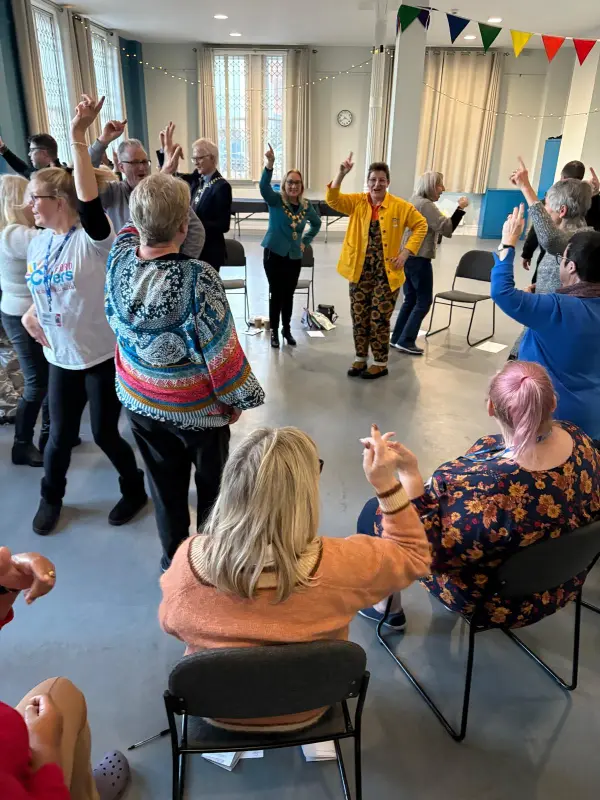
Our Model at Serious Laughter: For every corporate Laughter Yoga session we deliver, we provide two free community spaces and offer a discount on the next charity booking. This means businesses can tick their CSR box for employee wellbeing whilst simultaneously expanding access to mental health support across communities. It’s a simple model that creates measurable social impact – and it works whether we’re delivering online sessions reaching across the UK or in-person experiences in Manchester, or the North West.
The Future of CSR: What’s Changing?
Corporate Social Responsibility continues to evolve. Here’s what we’re seeing:
Authenticity Over Performance People can spot superficial “greenwashing” a mile away. The future belongs to businesses with genuine, integrated CSR strategies – not those just ticking boxes for appearances.
Mental Health Taking Centre Stage Employee and community mental wellbeing is increasingly recognised as a critical CSR priority, not just a nice extra. The pandemic accelerated this shift, and it’s here to stay.
CSR as Core Strategy, Not Add-On The most successful businesses are weaving social responsibility into their core operations rather than treating it as a separate department or initiative.
Small Business Leadership CSR isn’t just for corporations anymore. Small and medium businesses are often leading the way with innovative, community-focused approaches that create genuine local impact.
Employee-Driven Initiatives Businesses are increasingly empowering employees to lead CSR efforts, resulting in more authentic, effective programmes that reflect workforce values.
Your CSR Journey Starts With One Step
Corporate Social Responsibility is about taking thoughtful action and continually improving.
Whether you start by switching to a green energy supplier, offering volunteer days to your team, supporting a local charity, or implementing a wellbeing programme, that first step matters. Every positive action creates ripples.
At Serious Laughter, we’ve built social impact into the heart of our business model. We believe that when organisations invest in their people’s wellbeing, the benefits should extend beyond those office walls. That’s why we’ve made it simple: book a session for your team, and you’re simultaneously creating free access to mental health support for people across Manchester, Leeds, London and the wider UK who need it most.
It’s CSR that works – for your employees, for your community, and for your conscience.
Ready to explore how your organisation can create meaningful social impact whilst supporting your team’s wellbeing? We’d love to discuss how Serious Laughter can help you fulfil your CSR commitments in a way that truly matters. Email us today or book a chat or complete an enquiry form.
Find out about our Corporate Wellness Workshops and Team Building Activities on this page
Sunny Turner is the founder of Serious Laughter and an FHT-accredited Laughter Yoga Teacher, Motivator, and Museum of Happiness Facilitator. After experiencing depression firsthand, Sunny discovered the transformative power of Laughter Yoga and now dedicates her work to making mental wellbeing accessible to everyone – because wellbeing support shouldn’t depend on your ability to pay. Serious Laughter delivers corporate wellbeing workshops, community sessions, and Laughter Yoga Leader Training across Manchester, Cheshire, Leeds, London, and throughout the UK.

Sign Up
Receive wellness tips & uplifting videos from Serious Laughter.