The Science Behind Laughter Yoga: Why You Don’t Need to Feel Happy to Laugh
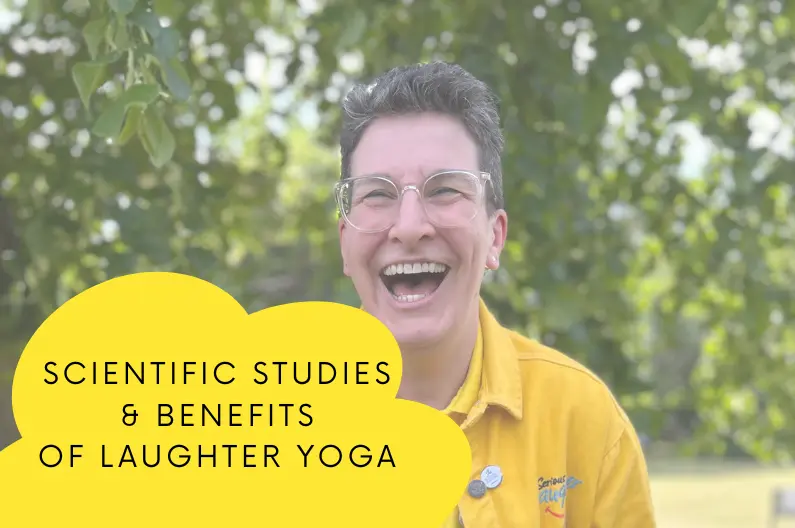

By Sunny Turner
The Science Behind Laughter Yoga: Why You Don’t Need to Feel Happy to Laugh
How simulated laughter works
“I can’t do Laughter Yoga – I’m not feeling happy right now.”
I hear this often. And I understand it completely. Having experienced depression myself, I know how impossible it feels to laugh when you’re struggling. The idea of forcing laughter when you’re feeling low can seem almost insulting.
But here’s what changed everything for me: you don’t need to feel happy to laugh. And more importantly, you don’t need to feel happy to benefit from laughter.
The science behind this is fascinating – and it might just change how you think about managing stress, anxiety, and low mood, amongst many more health benefits.
The Surprising Truth About Fake Laughter
Most of us believe that laughter is simply a response to something funny. We see or hear something amusing, we feel happy, and then we laugh. It seems like a one-way street: happiness leads to laughter.
But research comparing spontaneous and simulated laughter reveals something remarkable: our bodies can’t tell the difference between “real” laughter and intentional laughter exercises.
Whether you’re laughing at a brilliant joke or participating in a structured laughter exercise, your body responds in the same way. Your brain releases endorphins, your stress hormones decrease, and your mood begins to shift.
In other words, the arrow goes both ways. Happiness can lead to laughter – but laughter can also lead to happiness.
How Does Simulated Laughter Actually Work?
When we engage in intentional laughter, something remarkable happens in our bodies.
A 2020 study published in PubMed found that Laughter Yoga reduces the cortisol response to acute stress in healthy individuals. Cortisol is our primary stress hormone – the chemical that makes us feel anxious, overwhelmed, and tense.
But the benefits go far beyond stress reduction. Research on students who used laughter programmes showed that after laughter sessions, participants experienced improved mood and humour, whilst cortisol levels decreased. The control group who didn’t participate in laughter exercises showed no such effects.
This isn’t about positive thinking or pretending everything is fine. It’s about using your body to change your brain chemistry.
The Brain Science: Why Fake Laughter Creates Real Results
Here’s where it becomes even more interesting.
When you laugh – whether spontaneously or intentionally – your brain doesn’t stop to check whether you found something funny first. It simply responds to the physical act of laughing.
Research published in the Tohoku Journal of Experimental Medicine confirms the therapeutic benefits of intentional laughter. The physical act of laughing triggers a cascade of beneficial changes:
• Your brain releases endorphins (natural pain relievers and mood boosters) • Stress hormones like cortisol and adrenaline decrease • Oxygen flow to your brain increases • Your nervous system shifts from “fight or flight” to “rest and digest” • Muscle tension reduces throughout your body
None of these benefits requires you to feel happy beforehand. They’re automatic responses to the physical act of laughter.
Real-World Evidence: From Nurses to Cancer Patients
The practical applications of this science are profound.
A 2024 study of nurses experiencing employment stress found that laughter programmes increased feelings of happiness and reduced cortisol levels. These weren’t people having an easy time at work – they were healthcare professionals dealing with immense pressure. Yet structured laughter exercises made a measurable difference to their workplace wellbeing.
Even more compelling is the research on lung cancer patients undergoing chemotherapy. A pilot randomised trial found that Laughter Yoga reduced perceived stress and improved positive psychological changes in people facing one of life’s most challenging experiences.
If intentional laughter can support people through chemotherapy, imagine what it might do for everyday stress and low mood.
What Is Laughter Yoga?
Laughter Yoga is a practice that combines intentional laughter exercises with yogic breathing (pranayama). Developed by Dr Madan Kataria in 1995, it’s now practised in over 100 countries worldwide.
The key principle is beautifully simple: we laugh not because we’re happy, but to become happy.
A typical Laughter Yoga session includes:
• Gentle warm-up exercises to reduce inhibitions • Breathing exercises to increase oxygen flow • Playful laughter exercises that don’t rely on jokes or humour • Moments of genuine laughter that naturally emerge from the simulated laughter • Relaxation and grounding exercises
The beauty of this approach is its accessibility. You don’t need to:
• Be in a good mood • Have a sense of humour • Understand jokes • Be physically fit • Feel happy or positive
You simply need to be willing to try. If you’re curious whether Laughter Yoga is right for you, read about common myths that might be holding you back.
Breaking Through the “Fake It Till You Make It” Myth
Some people worry that simulated laughter is inauthentic or that they’re somehow lying to themselves.
But here’s the crucial distinction: you’re not pretending to feel something you don’t feel. You’re using a physical tool to change how you feel.
It’s like taking a walk when you’re stressed, even when you don’t feel like it. The walk isn’t fake – and neither are its benefits. You’re simply using movement to shift your emotional state.
Research on depression and anxiety shows that laughter secretes endorphins, which counteract cortisol and stress hormones. As a result, participants feel less depressed and anxious.
Laughter is a tool, not a performance. And like any tool, it works whether you believe in it beforehand or not.
When Simulated Laughter Becomes Real Laughter
Here’s something wonderful that happens in Laughter Yoga sessions: the simulated laughter often turns genuine.
It starts with intentional “ha ha ha” sounds. People feel a bit silly. There’s awkwardness and self-consciousness. But then something shifts.
Someone makes eye contact with someone else doing the same ridiculous exercise. The absurdity of the situation hits. And suddenly, the simulated laughter transforms into genuine, spontaneous laughter.
This is the magic of the practice. You begin with intention, but you often end with authenticity.
And even if that shift doesn’t happen – even if the laughter remains entirely intentional throughout – your body still receives all the same benefits.
Laughter for Stress Relief: The Evidence
If you’re dealing with stress, anxiety, or low mood, the evidence for intentional laughter is compelling.
A groundbreaking 2025 Japanese study found that Laughter Yoga significantly reduces stress in healthy individuals. This wasn’t a small effect – it was measurable and meaningful.
Research from Hungary in 2021 examined both watching and practising Laughter Yoga. The findings showed benefits for older women, suggesting this isn’t just for young, naturally upbeat people – it works across ages and circumstances.
Even the physical health benefits are significant. A 2024 study in the BMJ found that laughter helps lubricate dry eyes, whilst research in the Journal of Epidemiology links laughter to improved heart health.
Laughter as Accessible Cardio Exercise
One aspect people rarely consider: laughter is physical exercise.
Research published in the Journal of Motor Behavior describes laughing as “a demanding exercise for trunk muscles.” When you laugh, you’re engaging your diaphragm, abdominal muscles, and respiratory system.
A comparison of cardiovascular effects found that simulated laughter produces cardiovascular benefits similar to those of spontaneous laughter.
This means Laughter Yoga offers an accessible form of wellbeing practice for people who struggle with traditional exercise due to physical limitations, chronic pain, or mobility issues.
My Personal Journey: From Depression to Discovery
I came to Laughter Yoga through my own experience with depression. I was willing to try different activities that might help, and I attended my first session with an open mind, hoping something might shift.
What amazed me was how I felt afterwards. That immediate change – the lightness, the energy, the genuine sense of relief – showed me this practice was something special. I hadn’t needed to feel good before starting. The practice itself created the shift.
I still have hard days. I still experience low mood. But now I have a practice that helps me move through those experiences rather than becoming stuck in them.
The science gave me confidence in something that seemed too simple to work. And the results kept me coming back.
How to Start: Practical Steps
If you’re curious about intentional laughter, here’s how to begin:
Start small: You don’t need to attend a full session immediately. Try laughing deliberately for just 30 seconds whilst alone. Notice how your body feels afterwards. Five-minute practices can make a real difference.
Try the “ha ha” exercise: Place your hands on your belly. Take a deep breath. On the exhale, say “ha ha ha ha ha” repeatedly. Do this for one minute. Notice any shifts in your energy or mood.
Join an online session: Many Laughter Yoga teachers (including myself) offer online sessions. This allows you to try the practice from the comfort of home.
Attend an in-person workshop: If you’re ready for more, in-person sessions offer the added benefit of social connection, which research shows enhances the bonding effects of laughter.
Be patient with yourself: The first time might feel strange. That’s completely normal. The benefits often become more apparent after several sessions.
Science Supports What Seems Impossible
You don’t need to feel happy to laugh. You don’t need something funny to happen. And you don’t need to wait until life improves before you can access the benefits of laughter.
The research is clear: intentional, simulated laughter produces the same physiological benefits as spontaneous laughter. It reduces stress hormones, increases endorphins, improves cardiovascular health, and enhances mood.
This isn’t about toxic positivity or pretending everything is fine. It’s about using an evidence-based tool to support your mental and physical well-being, particularly during challenging times.
As someone who’s experienced depression, I understand the resistance. But I also understand the relief of discovering a practice that actually helps – one that’s backed by science and doesn’t require you to feel a certain way before you begin.
Sometimes the most powerful tools are the ones that seem too simple to work. Laughter is one of those tools.
You might also be interested in reading about how Laughter Yoga strengthens relationships or 12 wellbeing practices for stress relief.
Ready to explore laughter-based wellbeing for yourself or your team?
I offer wellness workshops and Laughter Yoga sessions across Manchester, Cheshire, London, and the UK – both in person and online. Whether you’re an individual seeking stress relief or an organisation looking to support employee wellbeing, I’d be happy to discuss how evidence-based laughter practices might help.
Sunny Turner is an FHT-accredited Laughter Yoga Teacher and Wellbeing Facilitator. Having experienced depression herself, Sunny brings both professional expertise and personal understanding to her work, with particular empathy for those sceptical of unconventional wellbeing approaches.

Sign Up
Receive wellness tips & uplifting videos from Serious Laughter.